

International flight planning is essential for global aviation operations. However, it involves several steps that require accuracy and coordination.
Operators must manage permits, fuel, and routing carefully. As a result, proper planning improves safety and efficiency.
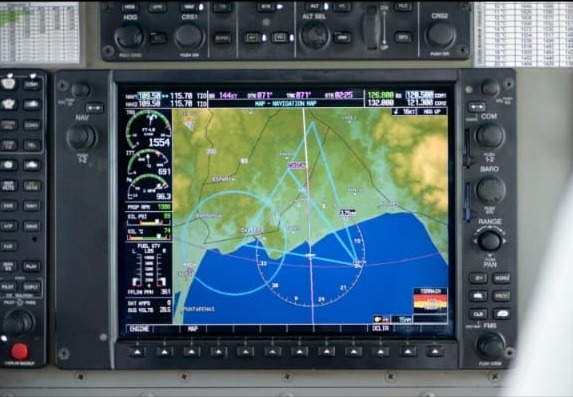
What is International Flight Planning?
International flight planning is the process of organizing flights across countries. In other words, it ensures that every part of the flight meets global regulations.
This process includes permits, routing, and fuel planning. Moreover, careful planning reduces risks.
Key Components of International Flight Planning
1. Overflight and Landing Permits
Overflight and landing permits are required for international operations. For example, aircraft must receive approval before entering foreign airspace.
In addition, operators must submit accurate flight details.
Apply in advance
Provide correct information
Follow country regulations
2. Route Optimization Across Airspaces
Route planning is important for efficiency. However, airspace restrictions can affect routes.
Therefore, operators must adjust flight paths carefully. Moreover, optimized routes save fuel and reduce costs.
Avoid restricted areas
Follow preferred routes
Improve flight efficiency

3. Fuel Planning and Cost Management
Fuel planning plays a major role in flight operations. For example, fuel prices vary between countries. As a result,
operators must plan fuel stops wisely. In addition, monitoring fuel consumption improves efficiency.
Compare fuel prices
Check availability
Plan alternate airports
4. Weather and Environmental Factors
Weather conditions impact every flight. In addition, turbulence and wind patterns affect routes.
Therefore, accurate weather data is essential. Moreover, operators must adjust schedules to avoid delays.
Monitor weather updates
Avoid turbulence zones
Adjust routes when needed
5. Regulatory Compliance
Regulations are critical in aviation. For example, operators must follow international standards. Moreover,
compliance ensures safe operations. As a result, planning becomes more predictable and secure.
Challenges in International Flight Planning
International flight planning comes with challenges. However, proper preparation can reduce risks.
In addition, operators can save time and cost by using advanced systems.
Complex regulations
Time-sensitive permits
Communication barriers
Operational uncertainty
Technology in Flight Planning
Technology improves flight planning significantly. For example,
modern systems provide real-time data. As a result, operators can make better decisions.
Real-time updates
Automated systems
Improved accuracy
Best Practices
Following best practices improves performance. In addition, it reduces operational risks.
Therefore early planning is key to success. Moreover, automation reduces human error.
Plan early
Use real-time tools
Monitor flights continuously
Work with experts
Future of International Flight Planning
The future lies in automation and global integration.
Systems will become more connected, allowing seamless coordination between countries, aircraft, and operators.
Expect advancements such as:
- Fully automated flight planning systems
- AI-driven global routing
- Instant regulatory compliance checks
FAQ
What is international flight planning?
It is the process of organizing flights that cross international borders, including permits and routing, Moreover, it ensures efficiency and safety.
Why are permits important?
They allow aircraft to legally enter airspace. In addition, they prevent fines and delays.
How does planning reduce costs?
It helps optimize fuel and routes. Therefore, operators can save money while improving efficiency.
Conclusion
International flight planning is essential for safe operations. In conclusion, proper planning improves efficiency and reduces risks.
Moreover, Operators should focus on accuracy, compliance, and smart decision-making to succeed in global aviation.
Successful global operations depend on accurate routing, compliance, and efficient flight support services.